
-
1 Metre 455 Silver Solder Wire
Regular price From £12.80 GBPRegular price -
455 Silver Solder Foil 150 x 20 x 0.1mm
Regular price £18.96 GBPRegular price -
455 Silver Solder Paste (10g Syringe)
Regular price £35.00 GBPRegular price -
455 Silver Solder Rod 0.7mm dia x 500mm
Regular price £31.00 GBPRegular price -
455 Silver Solder Rod 1.0mm dia x 500mm
Regular price £54.96 GBPRegular price -
455 Silver Solder Rod 1.5mm dia x 500mm
Regular price From £40.00 GBPRegular price -
455 Silver Solder Rod 2.0mm dia x 500mm
Regular price From £102.00 GBPRegular price -
Brazing Starter Pack
Regular price £26.40 GBPRegular price -
Brazing Starter Pack with Handbook
Regular price £45.00 GBPRegular price


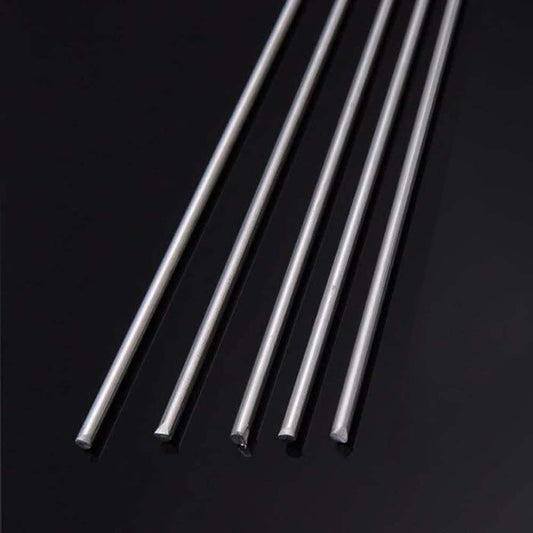

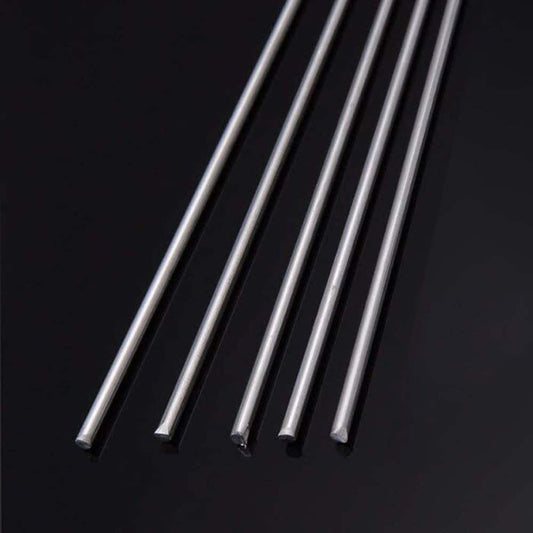


What is low temperature silver solder?
Low temperature silver solder is a cadmium-free brazing alloy that flows and bonds at temperatures typically between 630–660°C — lower than standard silver solder grades. This reduced working temperature makes it easier to control heat input, which is particularly valuable when joining components that are close together, delicate, or already partially assembled.
The lower brazing temperature also reduces oxidation and discolouration on the parent metal, meaning less cleaning and finishing work after the joint is made. All alloys in this range conform to ISO 17672 Ag 155, ensuring consistent composition and predictable performance across every batch.

When should you choose a low temperature alloy?
Low temperature silver solder is the right choice when you need to braze near previously soldered joints without disturbing them, when working with thin sections or small parts where heat build-up is a concern, or when you want the most forgiving alloy for hobby and model engineering work.
It is also the preferred grade for jewellery repair and restoration, residential HVAC pipework, and any application where a butane or propane torch is the primary heat source.
If you are new to silver soldering, the 455 grade is typically the best starting point — it flows readily and is the most widely used alloy in model engineering.
Not sure which diameter or form is right for your project? Our Help Me Choose guide walks you through the key decisions, or contact us for free technical advice.
Why Choose CuP Alloys?
-

Great Value Products
Discover premium-quality silver solder and brazing alloys at competitive prices — exceptional performance and reliability for every budget.
-

Free UK Delivery
Enjoy fast, reliable shipping across the UK mainland with no minimum spend and no hidden delivery charges.
-

Expert Customer Service
Rely on over 60 years of brazing experience — real advice, technical support, and product guidance from industry specialists.
-

Unbeatable Selection
Find everything you need for successful brazing — from silver solder and fluxes to torches and accessories, all in one place.


