

Silver Solder Specialists Since 1981
Shop our collections
-

Low Temperature Silver Solder
Our low temperature cadmium-free silver solder range is designed for precision joining...
-

Medium Temperature Silver Solder
Our medium temperature cadmium-free silver solder range offers the perfect balance between...
-

High Temperature Silver Solder
Our high temperature cadmium-free silver solder range is engineered for demanding applications...
-

Other Silver Solder
Our Other Silver Solder range includes specialist alloys designed for specific joining...
-

Soft Solders
Our soft solder range is designed for applications where lower working temperatures...
-

Refrigeration Silver Solders
Our refrigeration silver solders are specifically selected for copper and copper-alloy joints...
-

Copper Phosphorous Brazing Rods
Our copper phosphorus brazing rods are designed primarily for joining copper to...
-

Soft Solder Fluxes
Our soft solder fluxes are formulated to remove surface oxides and promote...
-

Silver Solder Fluxes
Our silver solder flux range is designed to support brazing applications across...
-

Torch Kits
Our torch kits provide complete heating solutions for brazing, soldering, and general...
-

Sievert® Heating Equipment
Our Sievert® heating equipment range includes professional-grade burners, torch handles, neck tubes,...
-

Brazing Ancillaries
Our brazing ancillaries range includes the essential supporting products needed to achieve...


Expert Materials for Every Project
Our silver solder, brazing alloys, and fluxes are carefully selected and crafted to ensure reliable performance and ease of use. With CuP Alloys, you can tackle everything from delicate hobby work to demanding professional applications with confidence.
Explore our extensive range to find the perfect solution for your project.

High-Quality Silver Solder Solutions for Superior Joining
CuP Alloys offers a comprehensive selection of rods, wires, and pastes designed to deliver strong, precise, and durable joints. Engineered to provide excellent flow and gap-filling performance, our materials stand the test of time.
Whether for professional or hobbyist projects, you can trust CuP Alloys to provide the tools and materials you need for precise, successful brazing.
Shop our best sellers
-
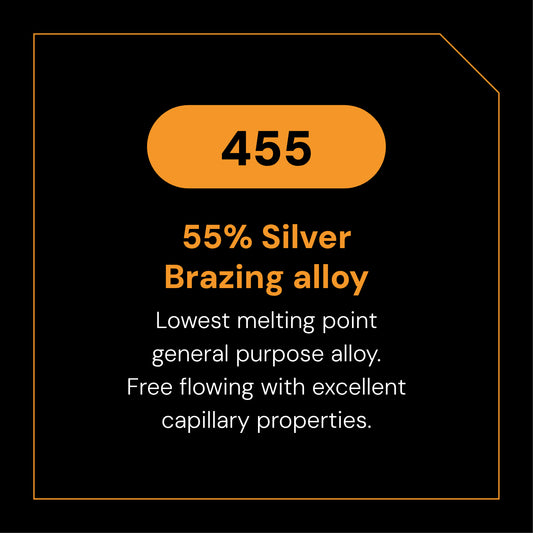
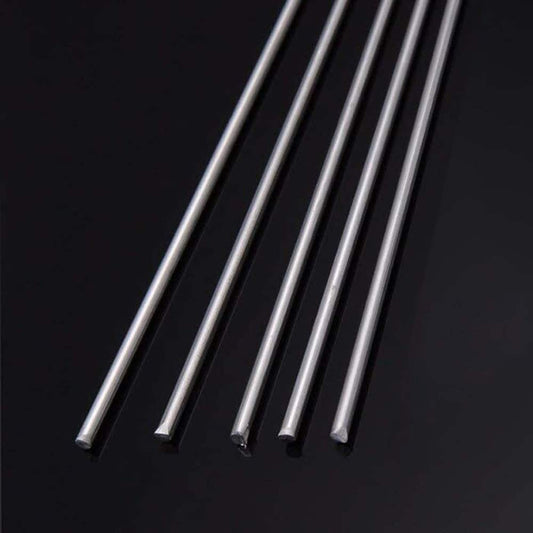
455 Silver Solder Rod 1.0mm dia x 500mm
Regular price £50.40 GBPRegular price -
455 Silver Solder Rod 1.5mm dia x 500mm
Regular price From £30.00 GBPRegular price -
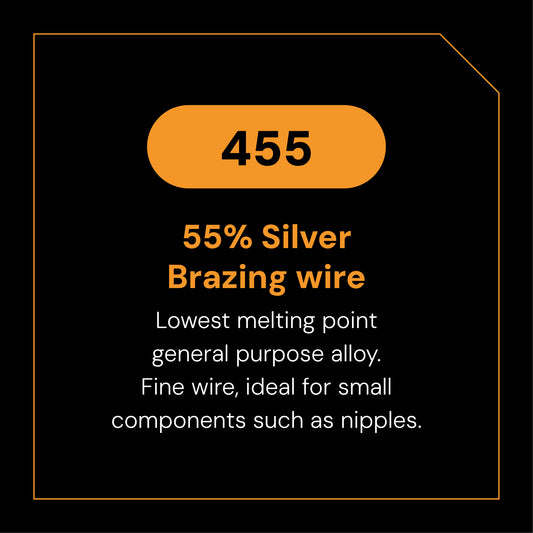
1 Metre 455 Silver Solder Wire
Regular price From £12.80 GBPRegular price -
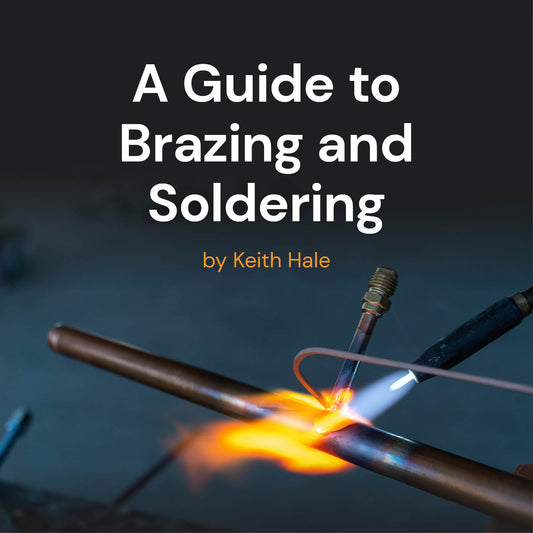
Brazing Handbook - A Guide To Brazing And Soldering by Keith Hale
Regular price £24.00 GBPRegular price




Why Choose CuP Alloys?
-

Great Value Products
Discover premium-quality silver solder and brazing alloys at competitive prices — exceptional performance and reliability for every budget.
-

Free UK Delivery
Enjoy fast, reliable shipping across the UK mainland with no minimum spend and no hidden delivery charges.
-

Expert Customer Service
Rely on over 100 years of combined brazing experience — real advice, technical support, and product guidance from industry specialists.
-

Unbeatable Selection
Find everything you need for successful brazing — from silver solder and fluxes to torches and accessories, all in one place.


Latest News & Articles
View all-

CuP Alloys at the Midlands Model Engineering Exhibition 2026
A long-standing tradition of supporting the model engineering community For many years, CuP Alloys has proudly exhibited at the Midlands Model Engineering Exhibition, one of the most respected and well-attended...
CuP Alloys at the Midlands Model Engineering Exhibition 2026
A long-standing tradition of supporting the model engineering community For many years, CuP Alloys has proudly exhibited at the Midlands Model Engineering Exhibition, one of the most respected and well-attended...
-

Understanding Step Brazing
What Is Step Brazing and Why Does It Matter? When a single assembly requires multiple brazed joints, a straightforward approach — heating everything at once and applying the same filler...
Understanding Step Brazing
What Is Step Brazing and Why Does It Matter? When a single assembly requires multiple brazed joints, a straightforward approach — heating everything at once and applying the same filler...
-

Common Brazing Problems and How to Avoid Them
Brazing is a reliable, well-established process — but like any skill, it rewards preparation and penalises shortcuts. Even experienced engineers can find themselves troubleshooting a joint that hasn't flowed properly,...
Common Brazing Problems and How to Avoid Them
Brazing is a reliable, well-established process — but like any skill, it rewards preparation and penalises shortcuts. Even experienced engineers can find themselves troubleshooting a joint that hasn't flowed properly,...


